

Stop sleeping on SA music, it's not just background noise
Using South African music in films, television and advertising doesn't just create memorable campaigns – it also keeps money circulating within the country's creative economy.
3 Jul 2026
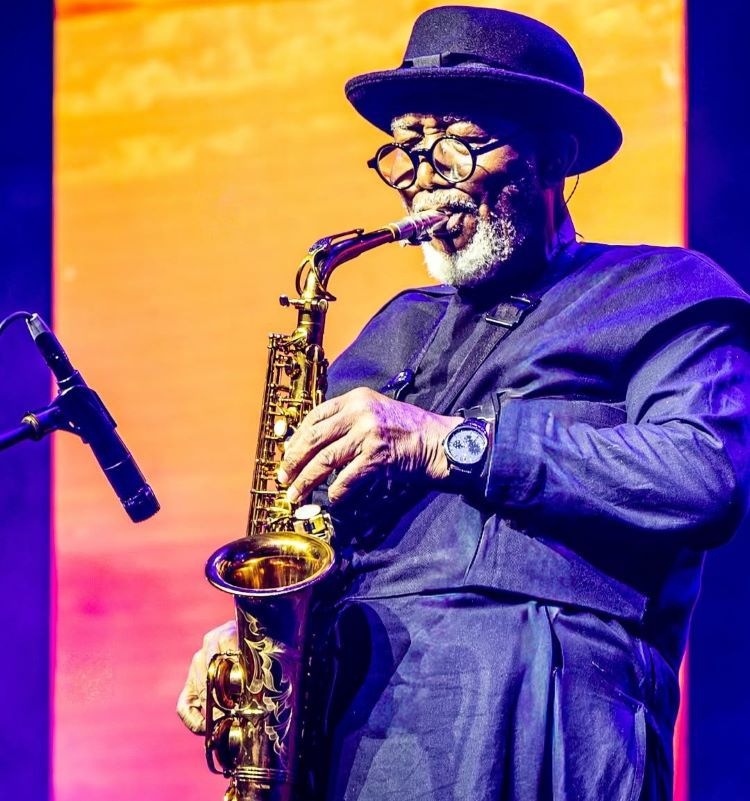
Having worked with Sipho "Hotstix" Mabuse since 1985, I’ve seen first-hand how often brands, agencies and production companies underestimate what is involved in licensing music.
Every few months someone approaches us wanting to use Burnout in a commercial or online campaign.
The request is usually enthusiastic, “We’d love to use the song – what’s the cost?” Unfortunately, licensing isn’t as simple as paying an artist and pressing play.
One of the biggest misconceptions is that a song has only one owner. In reality, there are two separate rights that usually need to be licensed:
- The first is the publishing right, which belongs to the songwriter or composer and is administered by a music publisher.
- The second is the master recording right, which belongs to the owner of the original recording – typically a record label.
If a brand wants to use Sipho "Hotstix" Mabuse's original recording of Burnout, both licences are required.
If the song is re-recorded by another artist, only the publishing licence is generally required, provided the new recording is not deliberately made to sound like the original.
This distinction is often overlooked, but it has a significant impact on budgets.
A real-world example
Earlier this year we were approached by a major South African brand wanting to use Burnout in a digital advertising campaign across Meta and YouTube.
The proposed campaign consisted of 15- and 30-second edits over a three-month period.
The initial licensing estimate was approximately for publishing rights and for the master recording, bringing the total estimated licence fee to around a six-figure sum, subject to final campaign approval.
The agency then explored whether splitting the campaign into two separate usage periods would reduce costs. The answer from the rights holder was a firm no.
Although the licence could be structured on a non-exclusive basis because of the interruption in usage, the overall fee remained unchanged. The reason is simple.
Burnout is one of Sipho "Hotstix" Mabuses signature recordings and forms part of Gallo Music's premium catalogue.
Songs with a proven cultural legacy and enduring commercial appeal command premium licensing fees because they immediately connect with audiences.

Questions every production company should answer:
Before approaching a publisher or record label, be ready to provide:
- Project title
- Production company
- Brand or client
- How the music will be used (ie, scene description for films, doccies or scripts for ad campaigns)
- Duration of use
- Territory (South Africa, Africa or worldwide)
- Media platforms (TV, Cinema, Digital, Social Media, Streaming, Radio etc.)
- Budget for music licensing
- Campaign launch date
Providing this information upfront speeds up negotiations and helps rights holders quote accurately.
Why music should never be an afterthought
Too often music budgets are the last item considered in a production budget.
A production may spend millions creating visuals, yet expect iconic music to be licensed for a fraction of its true value. Music isn’t simply background sound.
It creates emotion.
It builds memory.
It drives brand recall.
It can become the defining element of an advertising campaign.
For artists, these licences also represent an important income stream that helps sustain careers long after a song has been released.

Think local first
South Africa has one of the richest music catalogues in the world.
Whether you’re looking for Jazz, Afro-pop, Rock, Amapiano, 3- step, Gqom, Maskandi, gospel or timeless classics, there is an extraordinary body of work waiting to be rediscovered.
Every time a local song is licensed, the investment flows back into South Africa’s creative economy, supporting songwriters, performers, publishers, record labels, producers and future music creation.
Choosing South African music isn’t simply a creative decision, it’;s an investment in South African intellectual property, culture and the long-term sustainability of our music industry.
The next time you’re searching for the perfect soundtrack, don't look overseas first.
You may already have exactly the right song here at home.
About Martin Myers
Co-owner at Triple M Entertainment, founder Music Exchange, manager Sipho Hotstix Mabuse
View my profile and articles...
View my profile and articles...