 |
First-generation farmer Nthato Motlana is growing more than fresh produceFor Nthato Motlana, agriculture was never simply about growing vegetables. It became a way to tackle food security, create employment and build a sustainable business rooted in the community where he grew up. 14 Jul 2026 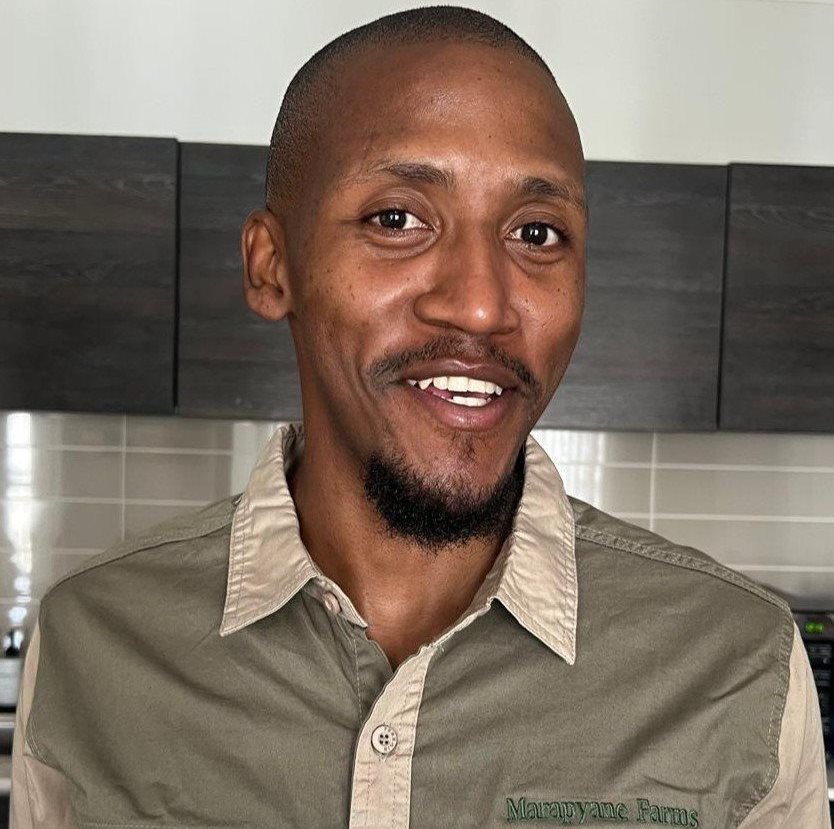 Source: Supplied | Nthato Motlana, Founder, Marapyane Farms As founder of Marapyane Farms, Motlana has built a youth-owned agribusiness focused on producing high-quality fresh produce while embracing sustainable farming practices, from using bees to pollinate crops to reducing water consumption through drip irrigation. Selected as one of the winners of the Woolworths Youth Makers 2026 programme, Motlana says the experience has helped strengthen every part of the business, from farming practices and compliance to preparing for formal retail markets. Bizcommunity spoke to Motlana about becoming a first-generation farmer, building a sustainable agribusiness, the lessons he's learned along the way, and why he believes agriculture offers enormous opportunities for South Africa's next generation of entrepreneurs. You're a first-generation farmer. What inspired you to launch Marapyane Farms, and what first drew you to agriculture?After Covid, there was a lot more awareness around food insecurity and where we were sourcing our fresh produce from. Our farm was relatively close, so from a logistics point of view, it was perfect; it had a lot of existing infrastructure and our neighbouring farms are commercial-scale producers. I have always loved being outdoors and in nature. It only felt natural to transition into agriculture. I grew up on the farm, so there was a strong feeling of nostalgia, but I also felt inspired. 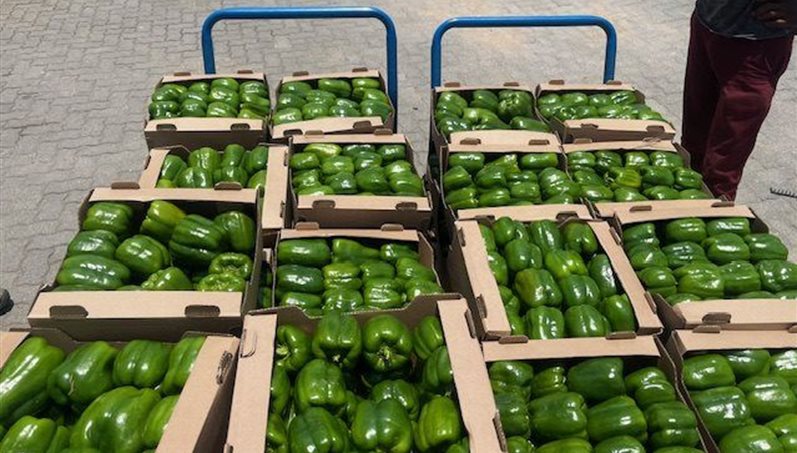 Source: Supplied I believed an agribusiness was the best way to address food security, create employment and build a sustainable business. I currently employ people from the same community where I grew up. The more I got involved, the more my passion grew. It's like a farming bug hit me, and I never looked back. Looking back, what's been the biggest lesson you've learned since starting the business?The biggest lesson would be patience. It is a constant reminder that nature restores itself and you can't rush things. A seed won't grow if you don't nurture it and give it water, fertiliser and care, and that's also a reflection on life. If you want something, you have to nurture it and be patient. You also can't rush nature and the growing process. Marapyane Farms places a strong emphasis on sustainable farming practices. Why was it important to build the business around that approach from the beginning?When I started the business, I really wanted to be an organic farmer. After the first season, I realised how challenging that would be as the business scaled. I then decided that I needed a more sustainable approach to farming by reducing the use of synthetic materials and increasing organic alternatives. As an individual, I also believe it's important that society continues making an effort to protect our environment. At the same time, consumers are becoming more aware of what goes into the food they eat. What's been the biggest challenge you've faced as a young farmer?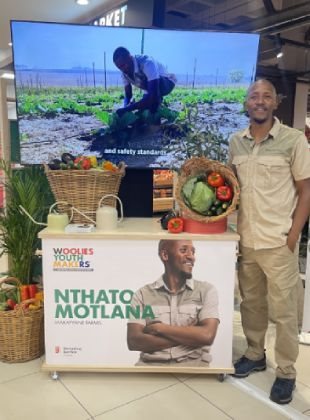 Source: Supplied Navigating the funding landscape has probably been the biggest challenge. Agriculture is extremely capital intensive, and you often need the money upfront to buy seeds, fertiliser and other inputs long before you're able to harvest anything. Agriculture is often viewed as high risk, so funding isn't always easy to secure. Access to reliable mentorship has also been difficult. As a first-generation farmer, I made a lot of mistakes that delayed the growth of the business. Guidance around markets, distribution, packaging and crop management would have made a huge difference early on. The work itself is also physically demanding. You're exposed to the weather every day while carrying crates, fixing irrigation, moving pumps and doing whatever the farm requires. Agriculture is evolving rapidly. Where do you think the greatest opportunities lie for young farmers in South Africa today?Simply being involved in agriculture is already an opportunity. There are opportunities throughout the value chain, and you don't necessarily have to be a farmer to be part of the industry. The average age across the industry is around 65, so over the next 20 years, we'll need the next generation to fill that gap. As sustainability becomes increasingly important, businesses, consumers and buyers are all driving change. I would encourage farmers and agripreneurs across the value chain to ensure their practices align with that approach. That's how they'll position themselves to take advantage of future opportunities. How has being selected as a Woolworths Youth Makers 2026 winner changed your business, and what has been your biggest takeaway from the programme so far?It's difficult to put into words how impactful the Woolworths Youth Makers programme has been for my business. I've been assigned a mentor who is a food technologist within Woolworths. Together, we've improved our compliance standards, strengthened our farming practices and increased our yields while improving our understanding of invasive plants, species and retail requirements. The programme has also introduced me to commercial farmers, soil scientists, seed companies and buyers within Woolworths. Every conversation has helped raise our standards and prepare the business for formal retail. It has also enabled my employees to complete formal training in health and safety, chemical handling, first aid, firefighting and PPE. As a first-generation farmer, I realised there were many things we simply didn't know. Today we're aligned with global best practices. Looking ahead, what do you hope Marapyane Farms will achieve in the years to come?Contributing more and more towards food security. Marapyane Farms aspires to sustainably grow the business and become a commercial producer with agro-processing capabilities. The infrastructure is already there; now it's about growing the business and leveraging that infrastructure. We also want to create more employment, provide in-service training opportunities for agriculture students and help develop the next generation of farmers while uplifting the communities around us. What's one thing you wish more South Africans understood about farming today, and why?I wish more South Africans understood our local food systems and what goes into the fruit and vegetables we see on our shelves. I also wish school curricula included more about agriculture. The more exposure society has to the industry, the more exciting it becomes. Even a visit to the Johannesburg Fresh Produce Market gives people an appreciation for the incredible scale and volume involved. We need more food and more farmers to participate in the industry. Farming isn't glamorous, but it's incredibly rewarding. It's about much more than producing food. It's about creating employment, developing people and helping feed the country. About Robin FredericksEditor at Bizcommunity. View my profile and articles... |
