Operational leadership often happens behind the scenes, but it plays a critical role in how organisations deliver results, drive growth and respond to change.
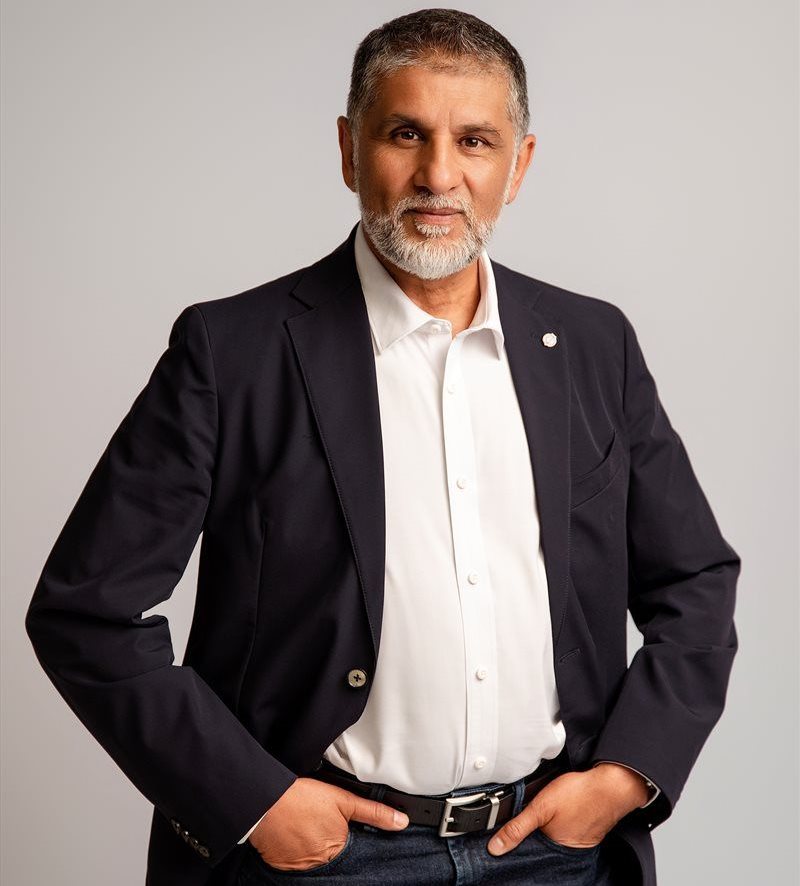
Source: Supplied | Ismail Dockrat, Chief Operating Officer, South African Tourism
With more than 25 years of leadership experience spanning aviation, aerospace manufacturing, logistics, trade, investment promotion and tourism, Ismail Dockrat brings a broad operational perspective to his role as chief operating officer of South African Tourism, a position he took up in May 2026.
Throughout his career, he has led organisational turnarounds, strengthened governance and driven operational transformation across both the public and private sectors.
Bizcommunity spoke to Dockrat about leadership, execution, innovation, accountability and why operational excellence is ultimately about creating lasting economic impact.
You've led organisations across several industries. What leadership principles have remained constant throughout your career?
Across every organisation I have led, the fundamentals have remained the same: stay close to customers, align stakeholders, use evidence to understand the real problem, and create the conditions for people to perform at their best.
The context may change from one industry to another, but leadership still comes down to getting to the root cause, making disciplined decisions and working with teams to deliver practical, sustainable solutions.
In tourism, that discipline has an even wider purpose: it must help convert strategy into visible economic outcomes for communities, small businesses and workers across South Africa.
What do people often misunderstand about operational excellence?
People often reduce operational excellence to systems or technology, but it is ultimately about disciplined execution across the organisation.
At South African Tourism, this means ensuring that finance, procurement, marketing, operations and every other part of the business work together with speed, discipline and impact.
We are a destination marketing organisation and a platform enterprise that helps connect South African tourism product owners with domestic and global buyers and consumers across both the leisure and business (meetings, incentives, conferences and events) segments.
The stronger our operating model, the better we can convert campaign activity, trade partnerships and market demand into arrivals, spend, jobs and opportunities for tourism businesses.
Operational excellence gives practical effect to the idea that tourism is not only about travel; it is about jobs, small businesses, dignity and economic inclusion.
When you join a new organisation, what do you look at first?
I look first at the people and then at the numbers because, together, they tell you whether the organisation is healthy, where it is under pressure and how it really operates day to day.
South African Tourism operates in a fast-paced, exciting and complex stakeholder environment, so internal culture and external relationships both matter.
The income statement, balance sheet, cash flow position and audit outcomes show how resources are being used and where risk may lie.
Beyond the financials, I also look closely at arrivals, domestic travel patterns, conversion from priority markets, geographic spread, product readiness, stakeholder confidence and how effectively our limited resources are being deployed for maximum impact.
Tourism is a competitive global sector, so data and analysis are essential to understanding where South Africa can grow faster, more inclusively and more sustainably.
Can good strategy fail because of poor execution?
Yes. A strong strategy can fail very quickly if execution is weak, and that is often a leadership issue.
Leaders must translate strategy into clear priorities, disciplined routines, accountable teams and timely decisions; otherwise, strategy remains an aspiration rather than a result.
South African Tourism plays an important role in growing tourism's contribution to GDP and supporting a sector that can stimulate employment, SMME growth and geographically distributed economic activity.
Execution matters because our task is to convert interest in South Africa into arrivals, arrivals into spend, and spend into jobs.
That requires capable leadership, good governance, marketing flair, strong partnerships and measurable delivery against our vision to inspire and attract local and global travellers to explore and experience the richness of South Africa and its people.
How do you build a culture of accountability and trust?
Trust lies at the heart of successful organisations and successful destinations. When stakeholders trust an organisation or brand, it builds confidence, and confidence supports growth.
Accountability and trust are built through clarity, consistency and follow-through. People need to know what is expected, feel supported to deliver and see that commitments are honoured.
Leaders set that tone by listening well, making decisions transparently, addressing issues early and creating a culture where people can speak honestly while remaining focused on performance.
At South African Tourism, we have smart, energetic, tech-savvy and creative people from diverse backgrounds, and we are embedding our values of integrity, respect and excellence in everything we do.
A high-performance culture strengthens governance, supports delivery and gives travellers, trade partners, investors, communities and the public greater confidence in the destination.
Where can innovation make the biggest difference in tourism?
Tourism is being reshaped by social and technological change, and that creates real opportunities for South Africa.
Innovation can help us reach travellers more intelligently, improve the visitor experience and unlock more value across the tourism economy.
The biggest opportunities lie in making smarter use of data, digital visitor engagement, seamless travel experiences, stronger local tourism value chains, more sustainable destination management and better support for emerging products.
Innovation must also help us market lesser-known destinations, strengthen visitor information, improve safety communication and support partners who convert interest in South Africa into actual travel.
Data, access, safety, product development and partnerships must work together if we are to grow faster and more inclusively.
What's the most important leadership lesson you've learnt during your career?
One of the most important leadership lessons I have learned is to seek full, 360-degree information before making decisions.
Good judgement depends not only on analysis but also on trust, patience, humility and the willingness to listen before acting.
In tourism, that means recognising that government, industry, provinces, municipalities, communities, employees, travellers and trade partners all hold part of the truth.
Better decisions come from understanding those perspectives and then acting with discipline and purpose.
What advice would you give aspiring business leaders?
Be passionate about the work but disciplined about the facts.
Use data and analysis to guide decisions, surround yourself with positive and trustworthy people, act ethically, practise patience and kindness, and never lose sight of the customer or community you are there to serve.
Leadership is ultimately measured by the value it creates for others and the opportunities it unlocks, especially for young people, small businesses and communities.
Personally, what gives me the greatest joy is serving others and helping build institutions that deliver lasting impact.